
-
 View More
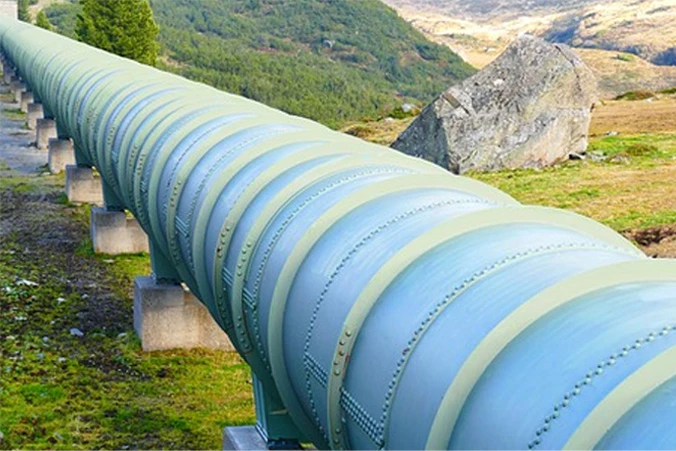
In the world of industrial fluid control, efficiency and reliability are paramount. Among the various valve types available, the 3 offset butterfly valve , also known as the triple offset butterfly valve, is gaining recognition for its innovative design and superior performance. Engineered for high-performance applications, these valves provide unparalleled sealing capabilities and reduced wear ov
-
 View More
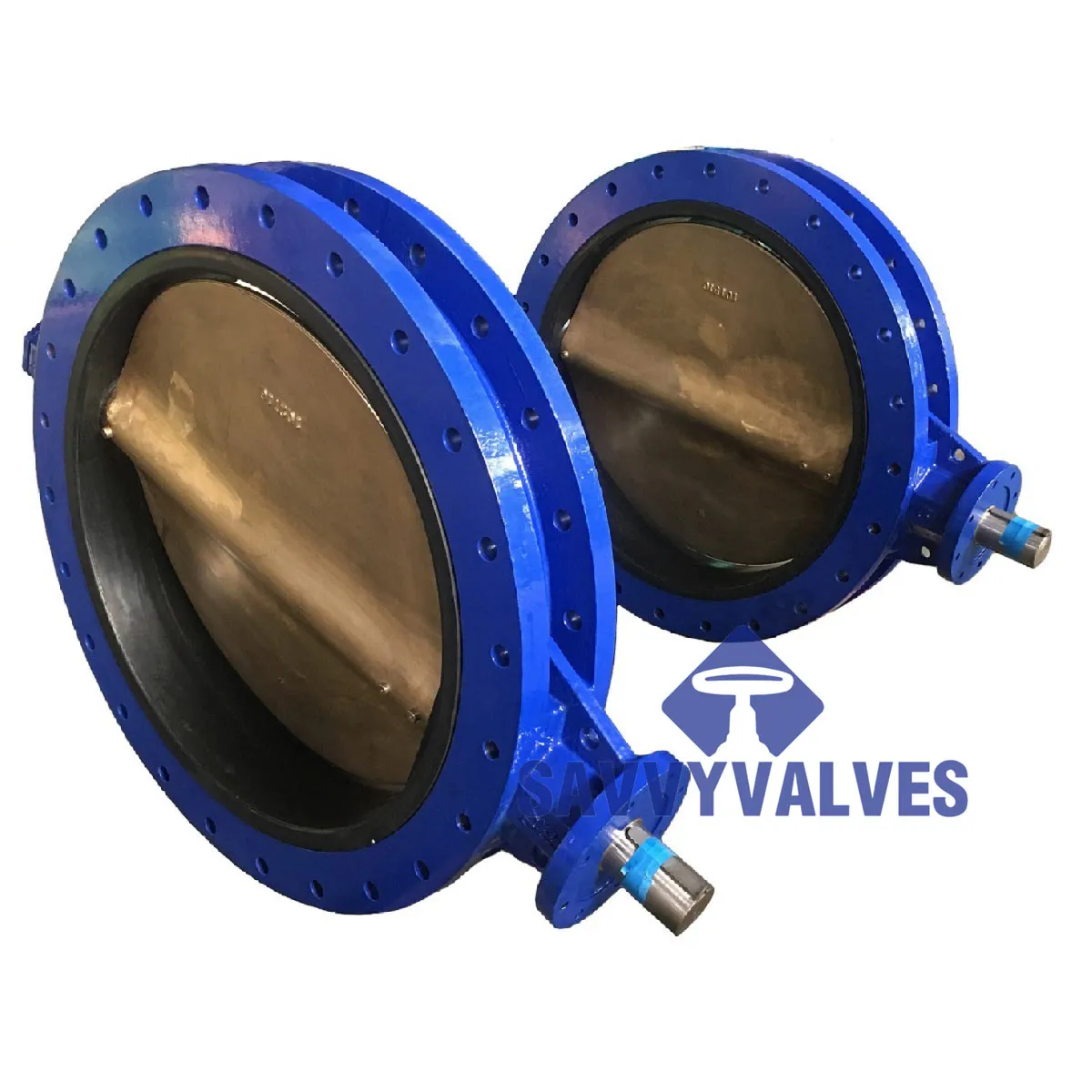
Double flanged butterfly valves and their derivatives (including butterfly valve double flange , double flange butterfly valve , butterfly valve double flange type , and double flanged short pattern butterfly valve ) are recognized as an industry standard for critical flow control in marine, petrochemical, water supply and metallurgy sectors. This comprehensive guide explores their technological e
-
 View More
Introduction The Marine U Section Double Flange Butterfly Valve is a robust and versatile solution designed for demanding industrial environments. Engineered to meet rigorous international standards, this valve is ideal for applications involving water, oil, and gas. Developed by SAVVY VALVES CO., LTD. (a leading manufacturer under Hebei Menghong Trading Co., Ltd.), the product combines advanced d
-
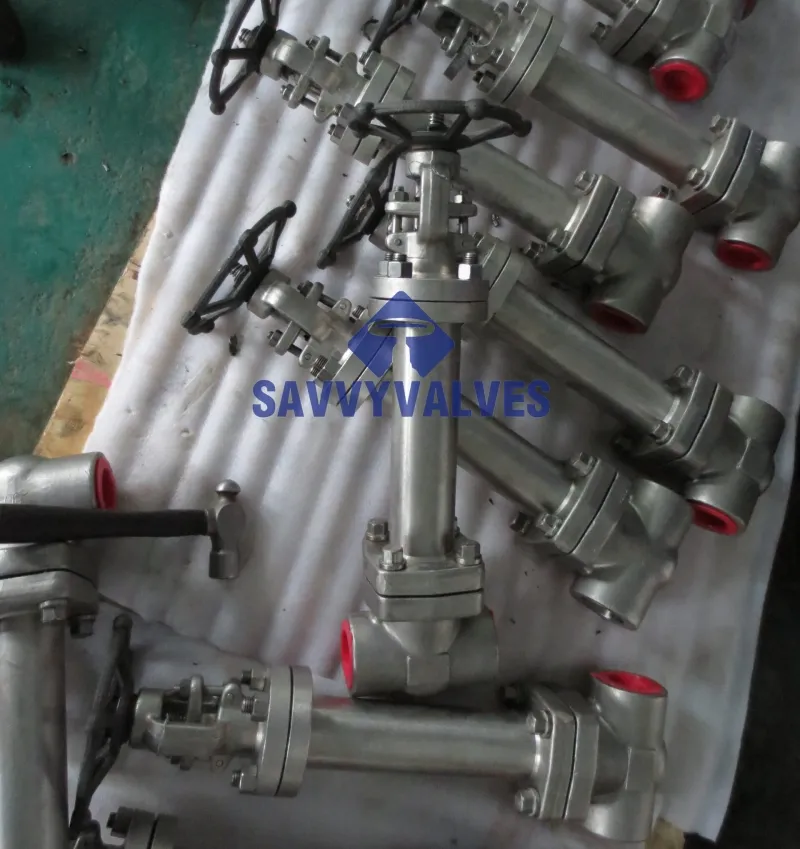
Globe valves —including standard globe valve models and versatile 1 1 2 globe valve variants—are essential for precise flow regulation in industries like oil & gas, petrochemicals, and water treatment. Unlike other valves that only open or close, globe valves excel at throttling flow (adjusting pressure and volume gradually), making them ideal for applications where precision matters. For wholesal
-
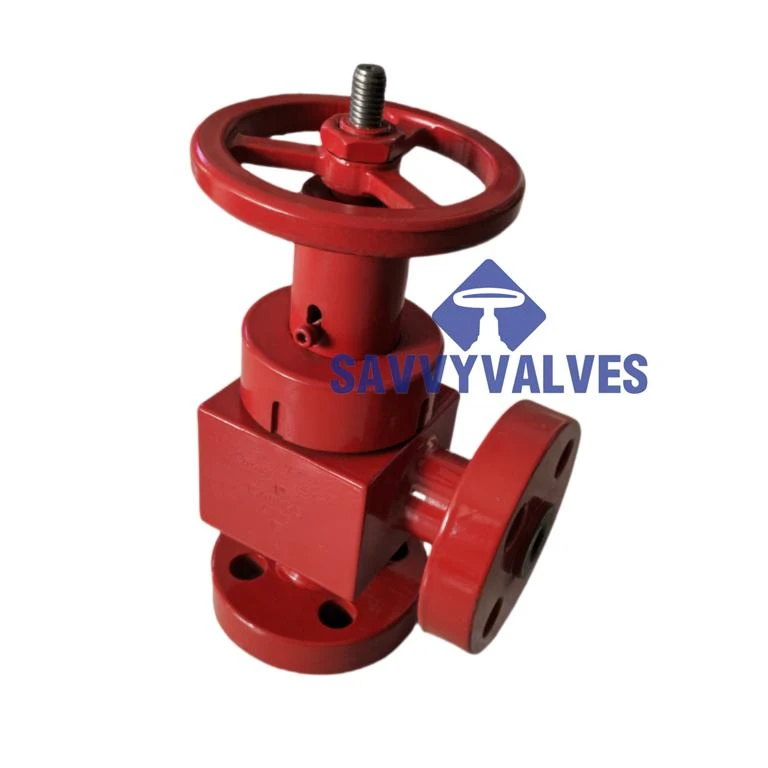
Introduction to Trunnion Ball Valves The 3 piece trunnion ball valve represents a significant advancement in flow control technology for demanding industrial applications. Unlike standard ball valves, trunnion mounted ball valves feature mechanical anchoring at both the top and bottom of the ball, providing enhanced stability and sealing capabilities under extreme pressure conditions. This design
-
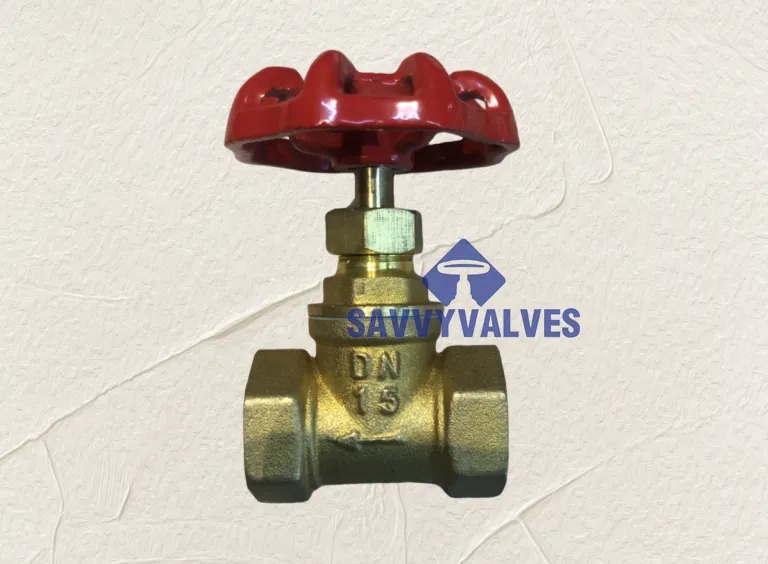
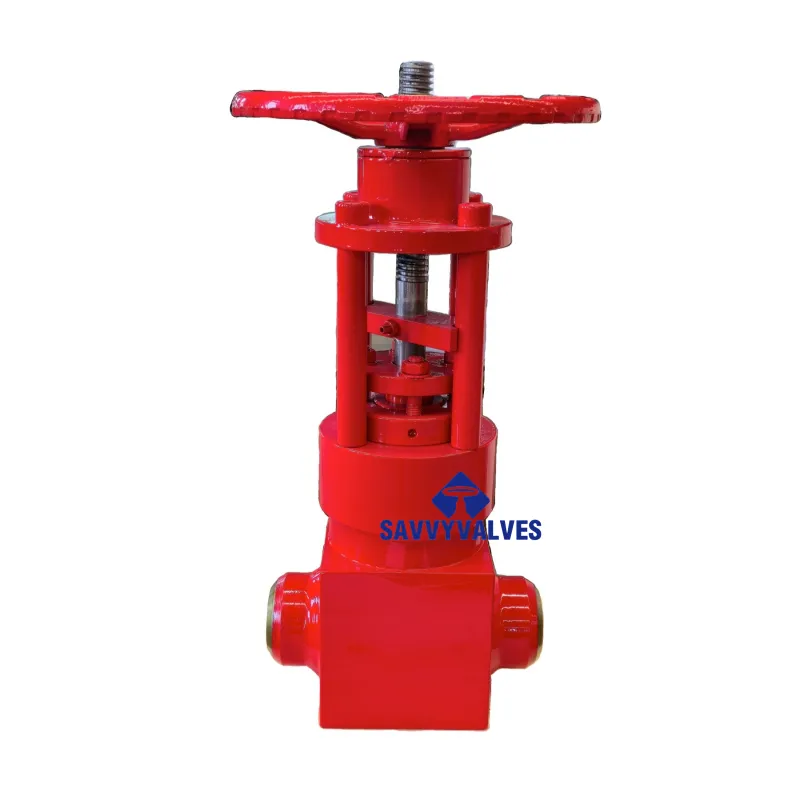
Gate valves applications and uses span across critical industries—from oil and gas to municipal water treatment—where reliable on-off flow control, minimal pressure drop, and long service life are essential. As a global leader in valve engineering, Savvy Valves – Engineering Excellence in Valve Solutions for Global Industries specializes in designing and manufacturing high-performance gate valves
-
 PSB Forged Steel Gate Valve_ High-Pressure, Durable Flow Control2026-04-02 11:38Industry Trends in High-Performance Forged Steel Valves The industrial valve market is undergoing si
 -
The Essential Guide to Rubber Expansion Joints2026-04-02 11:04In the world of plumbing, HVAC, and industrial pipelines, flexibility and durability are essential.
-
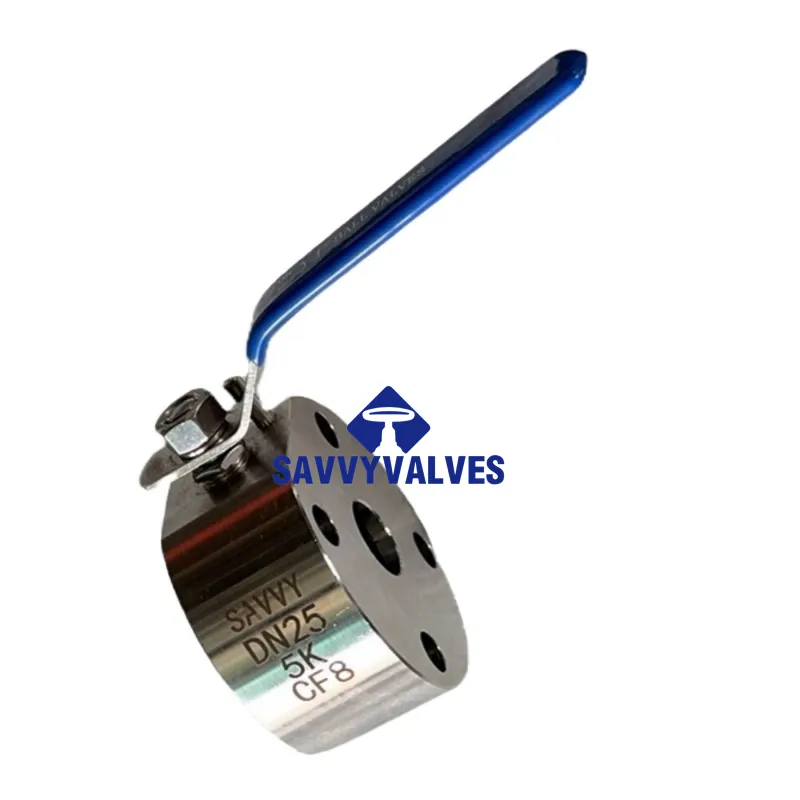 Discover the Benefits of 3 Piece Ball Valves2026-04-02 10:32In the world of industrial fluid control, the choice of valves plays a critical role in ensuring eff


The cryogenic floating ball valve represents a critical component in low-temperature fluid control systems across petrochemical, natural gas, metallurgy, and LNG industries . As global demand for clean energy and advanced materials grows, the market for cryo ball valve solutions has surged, driven by efficiency, reliability, and safety requirements under extreme conditions . Global cryogenic valve market is projected to reach $4.1 billion by 2028 , growing at a CAGR of 5.4% (Source: MarketsandMarkets). Cryogenic floating ball valves are pivotal in LNG storage/distribution, air separation, and hydrogen industry infrastructure. Key demand drivers: Stringent safety regulations (ISO 28921, ANSI B16.34), increased process automation, and cryogenic energy transport. 2-Piece Cryogenic Floating Ball Valve: Technical Overview & Key Features The 2-Piece Cryogenic Floating Ball Valve is meticulously engineered for leak-proof sealing, extended durability, and compliance with international cryogenic standards (ISO, BS6364) . Body Material: Stainless Steel (CF8M, ASTM A351), Forged Steel, Special Alloys (Monel, Inconel) Seat Materials: PTFE, PCTFE, Devlon (cryogenic rated soft/hard seats) Temperature Range: -196°C (~-320°F) to +80°C Pressure Ratings: Class 150/300/600/900, PN16–PN64 Size Range: DN15–DN300 (1/2"–12") Operation: Manual, Pneumatic/Electric Actuator compatible Key Technical Parameters: Cryogenic Floating Ball Valve Market Overview Parameter Industry Range 2-Piece Model (Savvy ValveTech) Typical Competitor A Typical Competitor B Design Standard ISO 28921, BS6364, ANSI B16.34 ISO 28921-1:2013, BS6364:2014 ISO 28921, API 6D BS6364, ANSI B16.34 Body Material CF8M, ASTM A351, Forged Steel CF8M, A351, Monel A216 WCB, A351 CF8 SS316, Inconel Seat Material PTFE, PCTFE, Devlon PCTFE, Devlon PTFE, RPTFE PCTFE Min Temp -196°C -196°C -196°C -196°C Max Pressure PN64 / 900LB PN64 / 900LB PN40 / 600LB PN40 / 600LB Size Range DN8–DN300 DN15–DN300 DN15–DN200 DN20–DN250 Leakage Class Class VI (ISO), API 598 Class VI, API 598 BS6755, API 598 Class VI Fire-Safe Cert. API 607, ISO 10497 API 607, ISO 10497 API 607, ISO 10497 API 607 Industry Trends and Technology Innovations in Cryogenic Ball Valves Automation: Integration with smart plant systems and IoT for remote diagnostics in LNG terminals. Advanced Alloys: Enhanced corrosion resistance and mechanical strength (use of super duplex, Inconel). Low-Emission Stem Packings: Fugitive emission rates below 50 ppm as per ISO 15848 (test-proven data). 3D Design Validation: CAD/CAM and FEA simulation for optimizing valve sealing geometry. Extended Warranty: Top suppliers like Savvy ValveTech offer 36 months warranty and post-sale maintenance . Cryogenic Ball Valve Market Share by Application, 2023 Source: Valvetech Market Analysis, 2023 Manufacturing Process of Cryogenic Floating Ball Valve Material Selection & Certification → Precision Casting / Forging Heat Treatment → CNC Machining → Ball & Seat Assembly Cryogenic Cleaning → Assembly with Extended Bonnet Pressure & Helium Leak Test ( ISO 28921-1 ) → Final Inspection & Marking Packing & Supply Material selection ensures the valve body, ball, and stem meet minimum impact values and chemical requirements (see ASTM/EN standards). The precision casting or forging process provides high-density, low-porosity components. Advanced CNC machining ensures critical tolerances (<0.01mm). All cleaning and assembly are performed in clean rooms to avoid grease and particulate contamination. Cryogenic valves undergo helium leak testing with maximum leak rates <6×10⁻⁶ mbar·l/s ( ISO 28921-1 certified). Traceable identification (nameplate + unique valve number) is standard for QA. Example: Technical Specifications of 2-Piece Cryogenic Floating Ball Valve CV: Flow coefficient at 1 bar drop (20°C); Source: Savvy ValveTech, 2024 Why Choose Cryogenic Floating Ball Valve? Technical Advantages Extended Bonnet Design: Prevents cold transmission, avoids stem icing, and ensures actuator stability. Zero-Leakage Class VI: Soft/hard-seat combinations guarantee <10 bubbles/min leakage, tested per API 598 . Lip-Seal Stem: Dual/sealed low-temperature stem packing provides fugitive emission control (per ISO 15848). Modular Construction: Facilitates easier onsite maintenance/replacement. Fire-Safe Certified: Verified to API 607 7th Ed. / ISO 10497 (tested at 760°C and cycled for valve integrity). Global Approvals: Compliant with CE (PED), SIL3, TA-Luft , and direct vendor approval for major gas companies. Industry Reference Projects: LNG Loading Skids (Singapore, 2022): 212 units supplied to LNG terminal with zero site rejections. Hydrogen Refueling Stations (EU, 2023): 2-piece floating ball valves qualified for -196°C repeated cycling, 98% customer satisfaction (users: H2 Mobility Europe). ASU Plants (India, 2022): 134 valves for air separation units, in-service for >44,000 cycles with no maintenance required. Product Comparison: 2-Piece Cryogenic Floating Ball Valve vs. Competitors Feature 2-Piece Cryogenic Floating Ball Valve Competitor A Competitor B Material Traceability EN10204 3.1/3.2 full traceability Partial Partial Production Lead Time 5-7 Weeks 7-10 Weeks 8-12 Weeks Cryogenic Leak Test 100% per ISO 28921-1 Spot Check API 598 API 598 only Warranty 36 Months 18 Months 12 Months Repair Kit Availability Standard, Immediate Request based Not standard Fire-Safe Approval API 607/ISO 10497 API 607 No Service Commitment and Delivery Timelines Standard Lead Time: 5–7 weeks after order confirmation Expedited Delivery: 15–20 working days for select sizes Quality Assurance: All valves fully traceable and backed by 36-month warranty Support Channels: 24/7 technical assistance, on-site commissioning, and repair Customization Options & Typical Application Scenarios Cryogenic floating ball valves can be customized to fit diverse requirements across sectors: Bonnet Extension: Custom lengths to suit insulation thickness and operator access Material: Special alloys for high-chlorine/hydrogen services Seat Design: Replaceable/metal seats for abrasive or high-flow duties Operator Interface: ISO 5211 mounting pads for smart actuators Cryogenic Testing: Optional ultrasonic/NDT for nuclear or ultra-pure applications Real-World Application Cases LNG Storage Expansion (Abu Dhabi, 2022) Project: National LNG Terminal upgrade Scope: 162 valves (1"–6", Class 300) Outcome: No leakage after 480 pressure cycles at -162°C; operational with auto-actuator system. Hydrogen Mobility (Europe, 2023) Project: H2 station network pilot Scope: Engineered extended bonnet for fast-cycling (-192°C, DN25–DN100) Outcome: 99.6% uptime; positive field reports; maintenance interval 27,000+ cycles Performance by Size - CV Value Line Chart CV curve for 2-Piece Model (Savvy ValveTech, @1 bar dP). Data: 2024 Validation EEAT: Experience, Authority, and Customer Trust Certifications & Recognitions: All cryogenic floating ball valves compliant with ISO 9001, ISO 14001, PED, CE 3rd party inspection: SGS, TUV, Bureau Veritas Industry partners: Sinopec, Linde, Air Liquide, Shell End-User Testimonials "Since switching to Savvy's cryogenic floating ball valve , our downtime has dropped to near zero in our air separation plant. The extended stem design is vastly superior for operator safety and ease of maintenance." — Plant Manager, Multinational Gas Co. "We had over 20,000 cycles without a single seal failure, even under -190°C duty intensity." — LNG Terminal Maintenance Supervisor Expert FAQ: Cryogenic Floating Ball Valve Selection & Use Q1. What is the best material choice for cryogenic floating ball valve bodies? A: Stainless steel grades CF8M (A351) and forged steel (F316/F304) are widely preferred for their low-temperature ductility and resistance to embrittlement per ASTM A351 and BS6364 standards. Q2. Which seat material is most reliable for sealing at -196°C? A: PCTFE and Devlon seats offer outstanding low-temperature resilience, chemical resistance, and minimal deformation under load. PTFE is acceptable for less harsh duties above -30°C. Q3. How is the extended bonnet designed to prevent cold transfer? A: The extended bonnet creates an insulating air column between media and packing. This prevents stem frosting and maintains safe manual or automatic operation per ISO 21011. Q4. What is the typical leakage class? A: Class VI (bubble-tight) per ISO 5208 and API 598. Each valve is hydrostatic and helium-leak tested at cryogenic temp for this performance. Q5. Are these valves suitable for hydrogen and oxygen services? A: Yes. Low iron and non-wetted components, non-sparking alloys, and degreased solvent-cleaning per ASTM G93 qualify for H₂/O₂ ultra-pure systems. Q6. What actuation options are supported? A: ISO 5211 mounting pad for direct interface with pneumatic or electric actuators. Manual lever operation is standard on sizes up to 6". Q7. How are valves maintained in the field? A: The modular 2-piece design allows on-site seal/spring change without line removal. Standard repair kits are available. Quality, Service, and Support Warranty: Industry-leading 36 months Delivery: 5–7 weeks (with expedited options) Support: 24/7 technical hotline, remote and on-site service in over 20 countries Documentation: All test/traceability reports supplied (EN10204 3.1/3.2 possible) For detailed technical questions or to request a quote for customized cryogenic floating ball valve solutions, visit: 2-Piece Cryogenic Floating Ball Valve References & Further Reading ISO 28921-1:2013 — Cryogenic valves standard Valve Magazine: Design Considerations for Cryogenic Valves Gulf Coast Energy Forum: The Global Cryogenic Valve Market: Next Steps Journal of Natural Gas Science & Engineering: Temperature Effects on Cryogenic Valve Performance Valve World Forum: Latest Trends in Cryogenic Valves